Shalban Vihara: Exploring the Glorious Buddhist Heritage of Bangladesh
Introduction
Bangladesh is a country with a rich historical background, diverse cultural traditions, and remarkable archaeological treasures. Throughout its long history, different civilizations, religions, and dynasties have contributed to shaping its cultural identity. Among the most significant historical landmarks of the country, Shalban Vihara stands out as an extraordinary symbol of ancient Buddhist civilization. Located at Kotbari in the Mainamati region of Cumilla, this archaeological site reflects the religious, educational, architectural, and cultural achievements of ancient Bengal. Shalban Vihara is not simply a collection of old brick structures. It represents a remarkable chapter in the history of Bangladesh, reminding us of a time when Buddhist monasteries played an important role in education, religious practices, and intellectual development. Today, it attracts tourists, researchers, students, and history enthusiasts who wish to explore the fascinating heritage of ancient Bengal.
Historical Background of Shalban Vihara
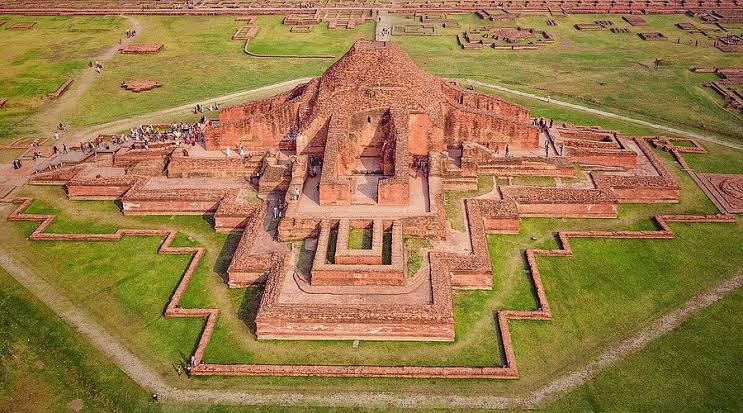
Shalban Vihara is one of the most important archaeological discoveries in Bangladesh. It is situated in the Mainamati-Lalmai hill region, an area famous for its numerous ancient Buddhist settlements and historical monuments. Archaeological evidence suggests that the monastery was established during the seventh or eighth century AD. The site is traditionally associated with the Deva dynasty, particularly King Bhavadeva, who is believed to have been connected with its establishment. During that period, the region of Samatata was an important centre of political, religious, and cultural activities. Buddhism flourished in different parts of ancient Bengal, and monasteries such as Shalban Vihara served as important institutions for Buddhist monks. They provided opportunities for religious education, meditation, discussion, and the preservation of Buddhist traditions. The monastery was part of a wider network of Buddhist establishments in the Mainamati region. These institutions demonstrate that ancient Bengal had a developed religious and educational environment. Architectural Structure and Design One of the most impressive aspects of Shalban Vihara is its architectural design. The monastery follows a nearly square-shaped plan, which reflects the traditional architectural style of ancient Buddhist monasteries. The entire complex is surrounded by a series of rooms arranged along its four sides. Archaeologists have identified 115 monastic cells within the complex. These rooms were used by Buddhist monks for accommodation, study, meditation, and other daily activities. In the middle of the monastery, there is a large open courtyard containing the remains of a central religious structure. This arrangement created an organised environment where monks could perform religious activities and maintain their daily routines. The monastery was mainly constructed with bricks, which were widely used in ancient Bengal because of the availability of suitable clay. The remains of walls, doorways, floors, and decorative elements provide evidence of the architectural knowledge and construction techniques of that period. The design of Shalban Vihara reflects both religious requirements and practical considerations. Its organised structure demonstrates the planning skills and architectural creativity of ancient craftsmen. Archaeological Discoveries and Historical Treasures Shalban Vihara is extremely important because of the valuable archaeological objects discovered during different excavation activities. These discoveries have helped historians and researchers understand the lifestyle, religious beliefs, artistic achievements, and economic activities of ancient Bengal. Among the most significant discoveries are terracotta plaques, ancient coins, pottery, bronze objects, inscriptions, and decorative architectural materials. Terracotta plaques are particularly interesting because they represent the artistic skills of ancient craftsmen. Many of these objects contain decorative patterns, human figures, animals, and religious symbols. They provide valuable insights into the artistic traditions and cultural environment of the period. Ancient coins discovered in the region offer information about economic activities and trade relations. Pottery and household objects help researchers understand the everyday lives of people who lived in and around the monastery. Religious sculptures and other artefacts also demonstrate the influence of Buddhist traditions in the region. Together, these discoveries make Shalban Vihara an important source of historical knowledge. Many artefacts recovered from the Mainamati archaeological region are preserved and displayed at the Mainamati Museum, allowing visitors to explore the historical significance of these discoveries. Shalban Vihara as a Centre of Buddhist Education In ancient times, Buddhist monasteries were not only religious institutions but also important centres of learning. Shalban Vihara is believed to have played a significant role in the educational and intellectual development of the region. Buddhist monks gathered at monasteries to study religious texts, discuss philosophical ideas, practise meditation, and exchange knowledge. These institutions helped preserve Buddhist teachings and pass them from one generation to another. The organised structure of Shalban Vihara suggests that it was designed to support a disciplined monastic lifestyle. The residential cells provided accommodation for monks, while the central area offered space for religious and communal activities. Although the exact academic curriculum and daily educational activities of Shalban Vihara are not fully known, its archaeological remains demonstrate the importance of Buddhist monastic institutions in ancient Bengal. Religious and Cultural Significance Shalban Vihara is an important symbol of the religious diversity and cultural development of ancient Bangladesh. It represents a period when Buddhism had a significant influence on the social and cultural life of the region. The monastery reflects the close relationship between religion, education, art, and architecture. Its structures and archaeological remains provide evidence of the religious traditions and cultural practices of ancient communities. The site also reminds us that the history of Bangladesh includes different religious traditions that contributed to the development of its society. Preserving such historical monuments helps future generations understand the country's diverse cultural heritage. Natural Beauty and Tourist Attraction Apart from its historical importance, Shalban Vihara is also an attractive destination because of its peaceful environment and natural surroundings. The Mainamati-Lalmai region is known for its green landscape, gentle hills, and pleasant atmosphere. Visitors can walk around the ancient monastery, observe the remaining structures, and imagine what life might have been like for Buddhist monks centuries ago. The combination of historical architecture and natural beauty creates a unique experience. Photography enthusiasts, students, researchers, and general tourists can all find something interesting at this archaeological site. A visit to Shalban Vihara can also be an educational experience for young people. It allows them to learn about ancient history beyond the pages of textbooks. Mainamati Museum: A Complementary Historical Experience A visit to Shalban Vihara becomes even more meaningful when combined with a trip to the nearby Mainamati Museum. The museum preserves many archaeological objects recovered from Shalban Vihara and other historical sites in the Mainamati region. Its collections include sculptures, terracotta plaques, coins, pottery, bronze objects, and other ancient artefacts. These objects help visitors understand the artistic, religious, and cultural traditions of the people who lived in this region many centuries ago. By exploring both Shalban Vihara and the museum, visitors can gain a broader understanding of the history and archaeological importance of Mainamati. How to Reach Shalban Vihara Shalban Vihara is located at Kotbari in Cumilla district, approximately eight kilometres from Cumilla city centre. Visitors travelling from Dhaka can reach Cumilla by bus or train. After arriving in Cumilla, they can hire a CNG auto-rickshaw or use other local transportation to reach the archaeological site. The journey is relatively convenient, making Shalban Vihara a suitable destination for a day trip from Cumilla and a possible short historical tour from Dhaka. Before visiting, tourists should check the current opening hours, entrance fees, and any applicable visitor guidelines. Challenges in Preserving Shalban Vihara Historical monuments are valuable national assets, but preserving them requires continuous attention and proper management. Shalban Vihara also faces the general challenges associated with protecting ancient archaeological sites. Natural weather conditions, moisture, vegetation, and the passage of time can gradually damage old brick structures. Uncontrolled human activities and a lack of public awareness can also affect the preservation of historical monuments. To protect Shalban Vihara, regular conservation work, scientific archaeological research, proper maintenance, and responsible tourism are essential. The government, heritage organisations, researchers, educational institutions, and local communities should work together to preserve this important historical site. Visitors also have a responsibility to protect the monument by avoiding littering, damaging structures, or removing archaeological materials. Why Shalban Vihara Deserves International Recognition Shalban Vihara is not only important to Bangladesh but also contributes to the broader history of South Asian Buddhist civilization. Its architectural design, archaeological discoveries, and historical background make it a valuable site for understanding the development of Buddhism in the region. It has the potential to attract more international tourists, historians, archaeologists, and cultural researchers. Better promotion, improved visitor facilities, and international academic collaboration could further increase its recognition. Promoting Shalban Vihara internationally would also help introduce Bangladesh's rich archaeological heritage to a wider audience. Conclusion Shalban Vihara is one of the most remarkable historical treasures of Bangladesh. Its ancient architecture, archaeological discoveries, religious significance, and connection with Buddhist education make it an essential part of the country's cultural heritage. A visit to this historic monastery offers more than an opportunity to see ancient ruins. It provides a chance to connect with the past, understand the development of ancient civilization, and appreciate the artistic and intellectual achievements of earlier generations. The preservation of Shalban Vihara is a responsibility shared by the government, researchers, local communities, and ordinary citizens. By protecting and promoting this archaeological treasure, we can ensure that future generations continue to learn about the glorious history of Bangladesh. Shalban Vihara is more than an archaeological site; it is a timeless reflection of Bangladesh's ancient Buddhist heritage, cultural richness, and historical identity.