Panam Nagar: A Journey Through the Lost City of Bangladesh
Introduction
Bangladesh is blessed with natural beauty, rich cultural traditions, and a remarkable historical heritage. Among its many historical attractions, Panam Nagar holds a special place. Located in Sonargaon, Narayanganj, approximately 25–30 kilometres southeast of Dhaka, Panam Nagar is one of the most fascinating archaeological sites in Bangladesh. Often described as the Lost City of Bangladesh, this abandoned historical town tells the story of a glorious past through its beautiful yet deteriorating buildings, narrow streets, and magnificent architectural designs. Visiting Panam Nagar is like travelling back in time. Its silent buildings, decorated windows, ancient walls, and empty streets create an atmosphere that connects visitors with the history of Bengal. It is not simply a tourist destination; it is a living reminder of the country's cultural identity and historical significance.
Historical Background of Panam Nagar
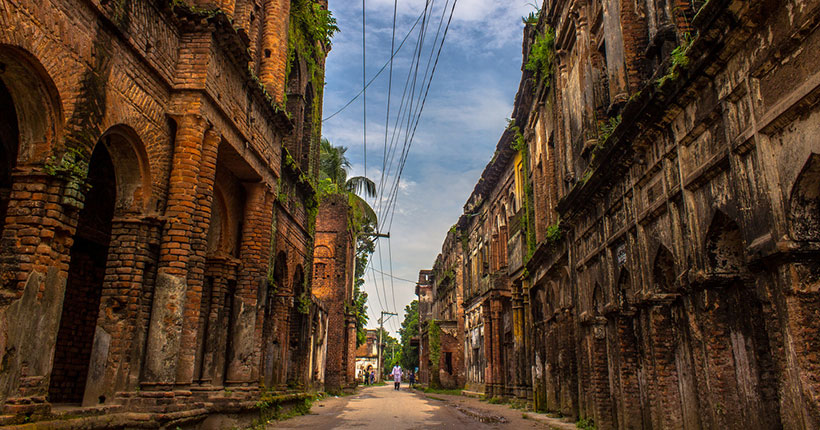
Panam Nagar is situated in the historically significant region of Sonargaon, which was once one of the important political, administrative, and commercial centres of Bengal. Sonargaon served as a capital during different periods of medieval Bengal and became particularly important during the Bengal Sultanate. It was also associated with the famous ruler Isa Khan, who played a significant role in the history of Bengal. The development of the present-day Panam Nagar is closely connected with the nineteenth century. During British colonial rule, wealthy Hindu merchants, particularly those involved in the textile and cotton trade, established their residential and commercial buildings in this area. Sonargaon was historically famous for its muslin and textile industries, which attracted traders and merchants from different regions. These wealthy merchants constructed impressive houses reflecting their financial prosperity and social status. Their buildings combined European colonial influences with traditional architectural features of Bengal and other regional styles. However, the political and social changes surrounding the Partition of British India in 1947 gradually affected the community living in Panam Nagar. Later communal tensions and political instability accelerated the departure of many residents. As a result, the once-busy settlement gradually became abandoned. Today, Panam Nagar stands as an important historical heritage site, preserving the memories of a remarkable period in Bengal's history. Architectural Beauty of Panam Nagar One of the most attractive features of Panam Nagar is its unique architectural beauty. The town is arranged along a narrow street approximately 600 metres long. Around 52 historic buildings stand on both sides of this road, creating an extraordinary architectural landscape. Most of these buildings were constructed using small bricks and traditional building materials. Their architectural designs demonstrate a combination of European colonial, Mughal, and local influences. The buildings feature beautiful arches, decorative columns, ornamental balconies, colourful glass windows, and detailed designs on their walls. Some houses have spacious courtyards, while others feature impressive entrances and large rooms. The architectural decorations reflect the lifestyle, wealth, and artistic taste of the merchants who once lived there. Although many buildings have suffered damage over time, their remaining structures still reveal the extraordinary craftsmanship of the past. Walking along the street, visitors can observe the differences in the design and structure of individual houses. Some buildings appear simple and elegant, while others display elaborate decorations and impressive facades. The combination of historical architecture and natural decay gives Panam Nagar a distinctive atmosphere that cannot easily be found elsewhere in Bangladesh. A Walk Through the Silent Streets Perhaps the most memorable experience of visiting Panam Nagar is walking through its quiet and mysterious streets. Unlike modern cities filled with traffic, noise, and crowded markets, this abandoned town offers a peaceful environment. As visitors enter the historical street, they are immediately surrounded by old buildings standing silently on both sides. Their faded colours, damaged walls, and empty windows create a feeling of nostalgia. Every building seems to have its own story. One can imagine merchants discussing business, families gathering in courtyards, and children playing in the streets. Although these activities have disappeared, the buildings preserve traces of the lives that once filled this neighbourhood. The atmosphere becomes particularly fascinating when sunlight falls on the old walls and decorative windows. The contrast between light and shadow creates beautiful photographic opportunities. For history enthusiasts, photographers, students, and travellers, walking through Panam Nagar is an unforgettable experience. Cultural and Historical Significance Panam Nagar is more than an architectural attraction. It represents an important chapter in the social, economic, and cultural history of Bengal. The town provides valuable evidence of the prosperity of merchant communities during the colonial period. Its residential buildings demonstrate how wealthy trading families organised their living spaces and expressed their social identities through architecture. The history of Panam Nagar is also connected with the broader history of Sonargaon. For centuries, Sonargaon played an important role in trade, administration, and cultural development. Its historical association with muslin production highlights the importance of Bengal's textile industry. Today, Panam Nagar helps younger generations understand the historical development of urban settlements, traditional architecture, commercial activities, and cultural interactions in Bangladesh. It is also an important educational destination for students of history, archaeology, architecture, and cultural studies. Nearby Attractions: Exploring Sonargaon A visit to Panam Nagar can become even more enjoyable when combined with other historical attractions in Sonargaon. One of the most popular nearby destinations is the Bangladesh Folk Art and Craft Foundation Museum. Established in 1975 through the initiative of renowned artist Zainul Abedin, the museum preserves and displays different examples of traditional Bangladeshi art and craftsmanship. Visitors can explore traditional textiles, pottery, wooden crafts, metalwork, and other cultural objects that represent the artistic heritage of Bengal. Another interesting attraction is the Goaldi Mosque, a historical mosque dating back to the Sultanate period. Its traditional architectural features provide another glimpse into the religious and architectural history of the region. Exploring these places together offers visitors a broader understanding of Sonargaon's historical importance and cultural richness. How to Visit Panam Nagar Reaching Panam Nagar is relatively easy, particularly for travellers starting their journey from Dhaka. Visitors can take a bus towards Sonargaon and get off at Mograpara Bus Stand. From there, they can hire a rickshaw or an auto-rickshaw to reach Panam Nagar. Travellers can also visit the nearby Folk Art and Craft Foundation Museum as part of the same trip. The best time to visit is generally between November and February, when the weather is relatively cool and comfortable. During this period, visitors can explore the historical site without facing the extreme heat of summer. A visit during the morning or afternoon is ideal for enjoying the architectural beauty and taking photographs. Visitors should check the latest opening hours and entry arrangements before travelling. It is advisable to wear comfortable shoes, carry drinking water, and allow enough time to explore the area. Conservation: Protecting Our Historical Heritage Although Panam Nagar is one of Bangladesh's most valuable historical attractions, preserving it remains an important challenge. Many of its buildings have suffered from natural decay, moisture, weather conditions, and a lack of proper maintenance over the years. Some structures are fragile and require careful restoration. Conservation is not simply about repairing old buildings. It also involves protecting their original architectural features, historical authenticity, and cultural significance. The Department of Archaeology of Bangladesh has taken initiatives to protect and restore the site. However, long-term preservation requires continuous attention, appropriate funding, expert supervision, and public awareness. Visitors also have an important responsibility. They should avoid writing on walls, damaging structures, throwing rubbish, or entering restricted areas. Protecting Panam Nagar means protecting an important part of Bangladesh's collective memory. If we fail to preserve these historical places, future generations may lose the opportunity to experience their cultural heritage. Why Should You Visit Panam Nagar? There are many reasons why Panam Nagar deserves a place on every traveller's list of historical destinations in Bangladesh. First, it offers a unique opportunity to explore the architectural heritage of colonial Bengal. Second, it provides a deeper understanding of the history of Sonargaon and the merchant communities that once flourished there. Third, the peaceful environment makes it an excellent destination for photography, educational tours, and cultural exploration. Most importantly, Panam Nagar reminds us that history is not limited to textbooks. It exists in old buildings, forgotten streets, architectural designs, and the stories of ordinary people who lived centuries ago. Every corner of this abandoned town encourages visitors to think about the passage of time, the rise and fall of communities, and the importance of preserving cultural identity. Conclusion Panam Nagar is undoubtedly one of the most remarkable historical destinations in Bangladesh. Its abandoned buildings, beautiful architectural designs, and mysterious atmosphere make it a fascinating place for visitors of all ages. Although the town has lost its former inhabitants and commercial activities, its historical significance remains alive through its surviving structures. It reminds us of the prosperity of Bengal's merchant communities, the architectural creativity of the past, and the changing nature of society. A visit to Panam Nagar is not merely a sightseeing experience; it is an opportunity to discover history, appreciate architecture, and connect with the cultural roots of Bangladesh. The silent streets of this lost city continue to tell stories of a glorious past. Therefore, preserving Panam Nagar should be a shared responsibility so that future generations can also walk through its historic streets and experience the beauty of our heritage. Panam Nagar may be a city without people today, but it is a place where history still speaks.