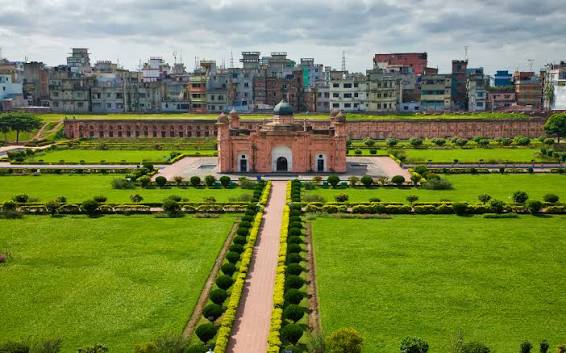
Lalbagh Fort: A Glorious Historical Monument of Bangladesh
Introduction
Bangladesh is a country with a rich historical background, cultural diversity, and remarkable architectural heritage. Among its many historical landmarks, Lalbagh Fort is one of the most famous and attractive monuments. Located in the heart of Old Dhaka, this magnificent fort represents the history of the Mughal Empire in Bengal. Lalbagh Fort's beautiful architecture, historical significance, and mysterious stories make it a popular destination for tourists, historians, students, and researchers. Lalbagh Fort is also known as Lalbagh Kella. Lalbagh Fort is one of the finest examples of Mughal architecture in Bangladesh. Surrounded by beautiful gardens and historical structures, Lalbagh Fort provides visitors with an opportunity to explore the glorious past of Dhaka. Although it was never completed, Lalbagh Fort remains an important symbol of the country's historical and cultural identity.
Historical Background
The history of Lalbagh Fort dates back to 1678 during the Mughal period. It was originally planned and constructed by Prince Muhammad Azam Shah, the son of Mughal Emperor Aurangzeb. At that time, he was serving as the governor of Bengal. Prince Azam Shah started building the fort as a residence and defensive structure. However, his stay in Bengal was short-lived. He had to leave for Delhi before completing the construction. Later, Shaista Khan, another important Mughal governor of Bengal, continued the development of the fort. Unfortunately, the construction was stopped permanently after the death of his daughter, Pari Bibi, in 1684. According to historical accounts, Shaista Khan was deeply saddened by her death. Her tomb was constructed inside the fort, and the building project was never completed. As a result, Lalbagh Fort remains one of the most famous unfinished Mughal forts in the Indian subcontinent. Location and Natural Surroundings Lalbagh Fort is situated in the Lalbagh area of Old Dhaka, beside the Buriganga River region. It is surrounded by a busy urban environment, but its beautiful gardens and historical atmosphere create a peaceful contrast to the crowded streets of the city. The fort covers a large area and contains several important buildings, open spaces, and green gardens. Its natural surroundings make it an attractive place for visitors who want to enjoy both history and relaxation. The combination of ancient architecture, greenery, and open spaces gives Lalbagh Fort a special charm. It is one of the most visited historical attractions in Dhaka. Architectural Beauty of Lalbagh Fort Lalbagh Fort is a remarkable example of Mughal architectural design. Its construction reflects the artistic taste, engineering knowledge, and cultural traditions of the Mughal rulers. The fort was originally planned as a large complex with several structures, including residential buildings, administrative facilities, mosques, and defensive arrangements. Although the original plan was never completed, three major structures remain especially important. 1. The Tomb of Pari Bibi The tomb of Pari Bibi is one of the most beautiful structures inside Lalbagh Fort. It is believed to be the resting place of Shaista Khan's daughter. The tomb is decorated with different materials, including marble, black stone, and colourful tiles. Its elegant design reflects the artistic excellence of Mughal architecture. The peaceful environment around the tomb makes it one of the most interesting places within the fort. 2. The Diwan-i-Aam The Diwan-i-Aam was an important administrative building where the Mughal governor used to conduct official activities and meet visitors. It was designed with traditional Mughal architectural features, including beautiful arches and spacious rooms. The building provides an idea of how administrative activities were conducted during the Mughal period. 3. The Lalbagh Fort Mosque The mosque is another important structure within the fort complex. It represents the religious and architectural traditions of the Mughal Empire. Its domes, arches, and decorative elements make it an attractive historical monument. The mosque also reflects the importance of religion in Mughal society. Apart from these structures, the fort contains underground passages, defensive walls, and other archaeological features that attract the curiosity of visitors. The Mystery of the Unfinished Fort One of the most interesting aspects of Lalbagh Fort is its incomplete construction. Many visitors wonder why such an ambitious Mughal project was never completed. Historical accounts connect the unfinished condition of the fort with the death of Pari Bibi in 1684. Her father, Shaista Khan, was reportedly deeply affected by her death and considered the location unlucky. As a result, the construction project was abandoned. Although this story is widely associated with the fort, historians also consider the political and administrative circumstances of the Mughal period when explaining its incomplete development. Today, the unfinished condition adds to the historical mystery and attraction of Lalbagh Fort. Historical Importance of Lalbagh Fort Lalbagh Fort played an important role in the history of Mughal Bengal. During the seventeenth century, Dhaka was an important administrative and commercial centre of the Mughal Empire. The construction of the fort reflects the political importance of Dhaka during that period. It also demonstrates the Mughal rulers' interest in developing impressive architectural structures. The fort provides valuable information about the lifestyle, administrative system, architectural traditions, and cultural practices of the Mughal period. For historians and researchers, Lalbagh Fort is an important source of knowledge about the political and social history of Bengal. Tourist Attractions and Activities Lalbagh Fort is an excellent destination for people interested in history, architecture, photography, and cultural tourism. Visitors can explore the historical buildings, walk through the beautiful gardens, observe the Mughal architectural designs, and learn about the stories associated with the fort. Some of the most interesting activities include: 1. Exploring the Pari Bibi Tomb: Visitors can admire its beautiful design and historical significance.2. Visiting the Diwan-i-Aam: This building provides an insight into the administrative activities of the Mughal rulers.3. Observing the Mosque: The mosque offers an opportunity to appreciate traditional Mughal religious architecture.4. Photography: The gardens, historical buildings, domes, and arches provide excellent photography opportunities.5. Learning History: Visitors can explore the historical background of the Mughal Empire and its influence on Bengal. Tourists can also visit nearby historical attractions in Old Dhaka, such as Ahsan Manzil, Star Mosque, and the Armenian Church. How to Visit Lalbagh Fort Visiting Lalbagh Fort is relatively easy because it is located within Dhaka city. Visitors from different parts of Bangladesh can travel to Dhaka by bus, train, or air. From different areas of Dhaka, visitors can reach the fort by bus, rickshaw, CNG, or ride-sharing services. Since it is situated in Old Dhaka, traffic congestion may sometimes increase travel time. The winter season is generally considered a comfortable time to visit because the weather is pleasant. Early morning or afternoon visits can also be enjoyable. Visitors should follow the rules of the archaeological site, avoid littering, and respect the historical structures. Taking care of the environment helps preserve the beauty of this important monument. Importance of Preserving Historical Heritage Historical monuments are valuable national resources. They represent the identity, culture, and achievements of earlier generations. Lalbagh Fort is an important part of Bangladesh's cultural heritage because it reflects the influence of Mughal architecture and administration in Bengal. However, historical structures may suffer from environmental damage, pollution, urban development, and human activities. Therefore, proper maintenance and conservation are essential. The government, archaeologists, historians, and local communities should work together to protect Lalbagh Fort. Public awareness and responsible tourism can also play an important role in preserving this historical monument. Young generations should learn about the history of Lalbagh Fort and understand the importance of protecting historical places for the future. Conclusion Lalbagh Fort is more than just an ancient building. It is a remarkable symbol of the Mughal history, architectural beauty, and cultural heritage of Bangladesh. Although its construction remained incomplete, its historical importance and impressive design continue to attract visitors from home and abroad. The tomb of Pari Bibi, the Diwan-i-Aam, the mosque, and the beautiful gardens make the fort a fascinating historical destination. Its connection with the Mughal rulers provides valuable insights into the history of Dhaka and Bengal. Every visitor can discover something interesting about the past by exploring Lalbagh Fort. We should take pride in this extraordinary historical monument and work together to preserve it for future generations.