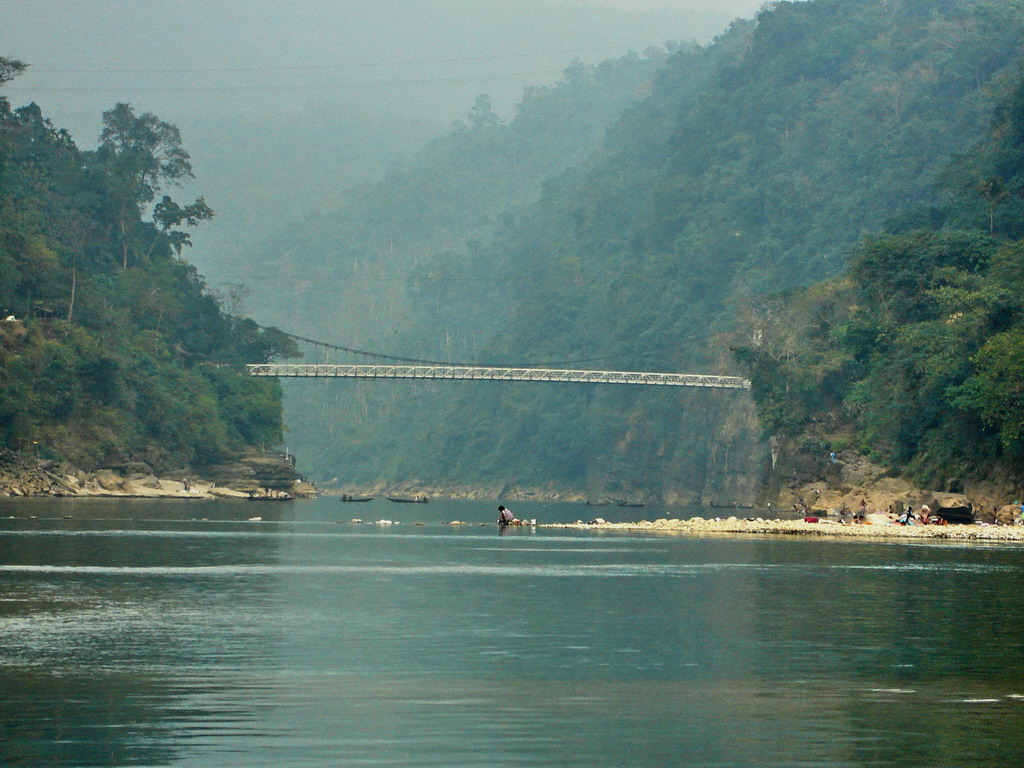
Jaflong is a beautiful tourist destination to visit and has a miraculous scenic beauty.Bangladesh is a country blessed with natural beauty, green landscapes, flowing rivers, hills, forests, and beautiful tourist attractions. Among the many remarkable destinations in the country, Jaflong holds a special place in the hearts of nature lovers and travelers. Located in the Gowainghat Upazila of Sylhet District, in the northeastern part of Bangladesh, Jaflong is famous for its scenic hills, crystal-clear streams, green surroundings, and the beautiful River Piyain. The combination of rivers, stones, hills, and clouds creates a breathtaking landscape that attracts thousands of visitors every year. Jaflong is often regarded as one of the most attractive natural destinations in Sylhet. Jaflong offers visitors an opportunity to escape the noise and stress of city life and enjoy the peaceful atmosphere of nature. Whether someone wants to take beautiful photographs, spend quality time with family, explore local culture, or experience the charm of rural Bangladesh, Jaflong can be an excellent choice. In this blog, we will explore the location, natural beauty, major attractions, best time to visit, transportation, food, accommodation, and travel tips for visiting Jaflong.
Where Is Jaflong Located?
Jaflong is situated in Gowainghat Upazila of Sylhet District, approximately 60 kilometres from Sylhet city, depending on the starting point and route. It lies near the Bangladesh–India border, at the foothills of the Meghalaya hills. The area is particularly famous for its picturesque landscape, where green hills meet flowing rivers and stone-covered riverbanks. The River Piyain flows through this region, carrying water and stones from the surrounding hills. During the rainy season, the river becomes fuller, and the landscape transforms into a vibrant natural paradise. During the winter and dry seasons, the river may become shallower, revealing extensive stretches of stones along its bed. Jaflong's geographical location makes it unique among Bangladesh's tourist destinations. The nearby hills of Meghalaya create a stunning backdrop, while the river and surrounding greenery make the area visually attractive throughout much of the year. The Natural Beauty of Jaflong The main attraction of Jaflong is its extraordinary natural beauty. Unlike busy urban destinations, Jaflong offers a refreshing combination of open spaces, flowing water, green hills, and fresh air. The landscape changes with the seasons, giving visitors different experiences throughout the year. One of the most fascinating sights is the contrast between the green hills and the flowing River Piyain. On a clear day, the distant hills appear particularly beautiful against the blue sky. When clouds gather around the hills, the entire landscape takes on a dreamlike appearance. The riverbanks are covered with stones of different sizes and shapes. These stones, carried down from the hills over time, give the riverbed a distinctive appearance. The sound of flowing water, the sight of boats moving across the river, and the peaceful surroundings create an unforgettable experience for visitors. The natural scenery also makes Jaflong an excellent destination for photography. Travelers can capture landscapes, rivers, boats, clouds, and the everyday activities of local people. Every turn along the river offers a new perspective on the beauty of rural Bangladesh. Major Tourist Attractions in Jaflong 1. River Piyain The River Piyain is one of the most important natural attractions in Jaflong. Its clear water, rocky riverbed, and beautiful surroundings make it a favourite spot for tourists. During the monsoon, the river becomes lively and powerful, flowing through the landscape with renewed energy. During the dry season, the water level decreases, exposing more stones and creating a different kind of natural beauty. Visitors enjoy watching boats on the river, observing the surrounding hills, and taking photographs of the scenery. However, the river can be dangerous during strong currents or sudden changes in water level. Tourists should avoid swimming in unfamiliar areas and follow local safety instructions. 2. Meghalaya Hills The distant Meghalaya hills are among the most striking features of Jaflong. These hills, located across the international border in India, provide a magnificent natural background to the Bangladeshi landscape. Their green slopes, changing colours, and cloud-covered peaks create a wonderful atmosphere. During the rainy season, the hills often appear especially lush and dramatic. Although visitors can admire the hills from Jaflong, they should remain within the permitted areas of Bangladesh and respect all border restrictions. The hills are best enjoyed through observation and photography from designated public locations. 3. Stone-Covered Riverbanks Jaflong is widely known for the stones found along the River Piyain. These stones are part of the area's distinctive natural landscape and have historically played a role in local livelihoods. Visitors are often fascinated by the variety of stones scattered across the riverbed. The contrast between grey stones, flowing water, and green hills creates an unusual and attractive setting. When exploring the riverbanks, tourists should wear suitable footwear because stones can be slippery or unstable. They should also avoid entering restricted areas or disturbing local activities. 4. Dawki River and the Border Region The nearby Dawki area in the Indian state of Meghalaya is famous for the Umngot River, which is often described as exceptionally clear during favourable conditions. The river is a popular attraction among travellers visiting Meghalaya. Although Jaflong and Dawki are geographically close, they are located in different countries. Visiting the Indian side requires the appropriate travel documents and permission to cross the international border through an authorised immigration point. Tourists should not attempt to cross the border informally. From the Bangladesh side, visitors can still enjoy the surrounding natural landscape and the beauty of the border region from permitted locations. 5. Local Villages and Rural Life Jaflong is not only about hills and rivers; it is also a place where visitors can observe the everyday life of rural communities. The surrounding villages reflect the traditional lifestyle of northeastern Bangladesh. Local people engage in different occupations, including agriculture, small businesses, tourism-related services, and other activities connected with the river and its resources. Exploring village surroundings can help visitors understand the relationship between people and nature. Travelers should always be respectful when photographing local residents, particularly children, and ask permission before taking close-up photographs. The Culture and Lifestyle of Jaflong The cultural identity of Jaflong reflects the wider diversity of Sylhet. The region is known for its distinctive dialect, traditional food, hospitality, and strong connections to nature. Local markets and small roadside shops provide opportunities to interact with residents and learn about regional products. Visitors may also notice the influence of different communities living in the wider Sylhet region. Tourism has created opportunities for local businesses, including transport services, food stalls, guides, and small accommodation providers. Responsible tourism can help support these livelihoods while protecting the natural environment. Visitors can contribute positively by purchasing local products, choosing locally operated services, avoiding litter, and treating residents with kindness and respect. The Best Time to Visit Jaflong Jaflong can be visited throughout the year, but the experience varies significantly by season. Monsoon Season: June to September The monsoon season brings abundant rainfall to Sylhet. The river becomes fuller, the surrounding vegetation turns greener, and the hills often appear dramatic under cloudy skies. This season is attractive to travellers who enjoy lush landscapes and the sight of flowing rivers. However, heavy rainfall can cause sudden rises in water levels, slippery paths, and travel disruptions. Visitors should check weather forecasts and local conditions before travelling. Winter Season: November to February Winter is generally a comfortable time to explore Jaflong. The weather is often cooler and drier, making sightseeing and photography easier. During this period, visitors can walk around accessible riverbanks, enjoy the views, and explore nearby attractions without the intense heat of summer. However, the river may be shallower, so the scenery can look different from its monsoon appearance. Summer Season: March to May Summer brings warmer temperatures and changing river conditions. Although the landscape can still be beautiful, the heat may make outdoor activities less comfortable during midday. Travellers visiting in summer should carry drinking water, wear sun protection, and plan outdoor sightseeing for the morning or late afternoon. Overall, winter is a good choice for comfortable sightseeing, while the monsoon can be particularly appealing for those who prefer lush greenery and dramatic river scenery, provided conditions are safe. How to Reach Jaflong Reaching Jaflong is relatively straightforward for travellers who begin their journey in Sylhet city. By Bus Travellers can reach Sylhet by bus from major cities in Bangladesh, including Dhaka and Chattogram. From Sylhet city, they can arrange local transport to Jaflong. By Train Sylhet is connected to other parts of Bangladesh by rail. Visitors travelling from Dhaka or other connected cities can take a train to Sylhet and continue their journey by road. By Air Domestic flights operate between Dhaka and Sylhet, depending on the airline schedule. Travellers arriving at Osmani International Airport can arrange a car or other suitable transport to reach Jaflong. Local Transport from Sylhet From Sylhet city, visitors can hire a private car, reserve a microbus, or use available local transport services. The road journey usually takes around two to three hours, depending on traffic, weather, road conditions, and the starting point. Travellers should confirm current transport options, fares, and road conditions before departure. Food and Accommodation A trip to Jaflong becomes more enjoyable when visitors experience the food and hospitality of Sylhet. Local restaurants and roadside eateries may offer rice, fish, chicken, lentils, vegetables, and traditional Bengali meals. Sylhet is also known for its tea culture, and visitors can enjoy a cup of locally available tea during their journey. For accommodation, travellers can choose from hotels and guesthouses in Sylhet city, where a wider range of facilities is generally available. Some visitors prefer to stay overnight in Sylhet and make a day trip to Jaflong. Those who want to stay closer to the destination should check the availability, cleanliness, security, and facilities of local accommodation in advance. During holidays and peak travel periods, advance booking is advisable. Food prices and hotel rates vary according to location, season, service quality, and demand. Checking current prices before travelling can help visitors manage their budget. Estimated Budget for Visiting Jaflong The cost of a Jaflong trip depends on the departure city, transport choice, number of travellers, accommodation, and food preferences. For someone already staying in Sylhet, a basic day trip may cost approximately BDT 1,000–2,500 per person when expenses are shared or economical transport is used. A more comfortable trip involving private transport and additional activities may cost more. Travellers coming from Dhaka or Chattogram should budget separately for long-distance transport, accommodation, meals, and local travel. A trip lasting two or three days will naturally require a larger budget than a short visit. These figures are rough planning estimates, not confirmed current prices. Before travelling, compare transport fares, accommodation rates, and local service charges to prepare a realistic budget. Essential Travel Tips for Visitors To enjoy Jaflong safely and responsibly, visitors should keep a few important points in mind. Check the weather: Heavy rain can affect river conditions, road travel, and outdoor activities. Check the forecast before leaving. Wear comfortable footwear: Riverbanks and rocky areas may be slippery, so sturdy shoes or sandals with good grip are useful. Carry essential items: Drinking water, sunscreen, a hat, a power bank, and basic personal supplies can make the journey more comfortable. Respect border restrictions: Stay within permitted tourist areas and follow the instructions of local authorities and border personnel. Avoid unsafe swimming: River currents and water levels can change quickly. Do not enter deep water or swim in unfamiliar places. Keep the environment clean: Carry rubbish back with you and use designated waste bins whenever available. Respect local communities: Ask permission before photographing people and avoid disturbing their work or private property. Confirm travel arrangements: Check transport schedules, road conditions, accommodation, and local tourism guidance before starting your journey. These simple precautions can help make a visit both enjoyable and responsible. Why You Should Visit Jaflong There are many reasons to include Jaflong on your Bangladesh travel list. First, it offers a remarkable combination of hills, rivers, stones, and greenery within one destination. Second, it provides an opportunity to experience the natural beauty of Sylhet away from crowded urban surroundings. Jaflong is also suitable for different kinds of travellers. Families can enjoy the scenery together, friends can explore the area and take photographs, and solo travellers can appreciate the peaceful landscape while discovering the region's culture. For photography enthusiasts, the changing light, clouds, riverbanks, and distant hills create many interesting compositions. For nature lovers, the destination provides a refreshing reminder of the importance of protecting Bangladesh's natural heritage. Perhaps the most appealing aspect of Jaflong is its simplicity. Visitors do not need elaborate entertainment to enjoy the destination. The river, hills, fresh air, and open landscape provide much of the experience. Conclusion Jaflong is one of the most beautiful natural destinations in Bangladesh and an important attraction of Sylhet District. Its scenic hills, flowing River Piyain, stone-covered riverbanks, and peaceful rural surroundings make it a memorable place for travellers of different ages and interests. Whether you visit during the green monsoon months or the comfortable winter season, Jaflong offers a chance to reconnect with nature and discover the charm of northeastern Bangladesh. With proper planning, respect for local communities, and attention to safety, a trip to Jaflong can become a wonderful travel experience. If you are planning your next holiday and want to explore a destination filled with natural beauty, Jaflong deserves a place on your itinerary. Pack your essentials, plan your route, and get ready to discover the scenic beauty of Jaflong—a destination where hills, rivers, and greenery come together to create one of Bangladesh's most memorable landscapes.